Contemporary is the least distinctive style in staging and the most reliable. It rarely produces a striking image, and it almost never produces a bad one.
For most properties in most markets, that trade is correct. A staging style that occasionally wows but occasionally alienates is a worse bet than one that consistently works.
This guide covers what Contemporary actually means, how it differs from Modern, and why it outperforms sharper styles in family and suburban markets.
What Contemporary Design Is
Contemporary means "of now." Unlike Modern, Scandinavian, or Industrial — which are fixed historical styles — Contemporary is a moving target. Contemporary design in 1995 looked different from Contemporary design in 2026, and it will look different again in 2035.
That makes it harder to define precisely, but the current version has consistent characteristics.
Core Characteristics as of 2026
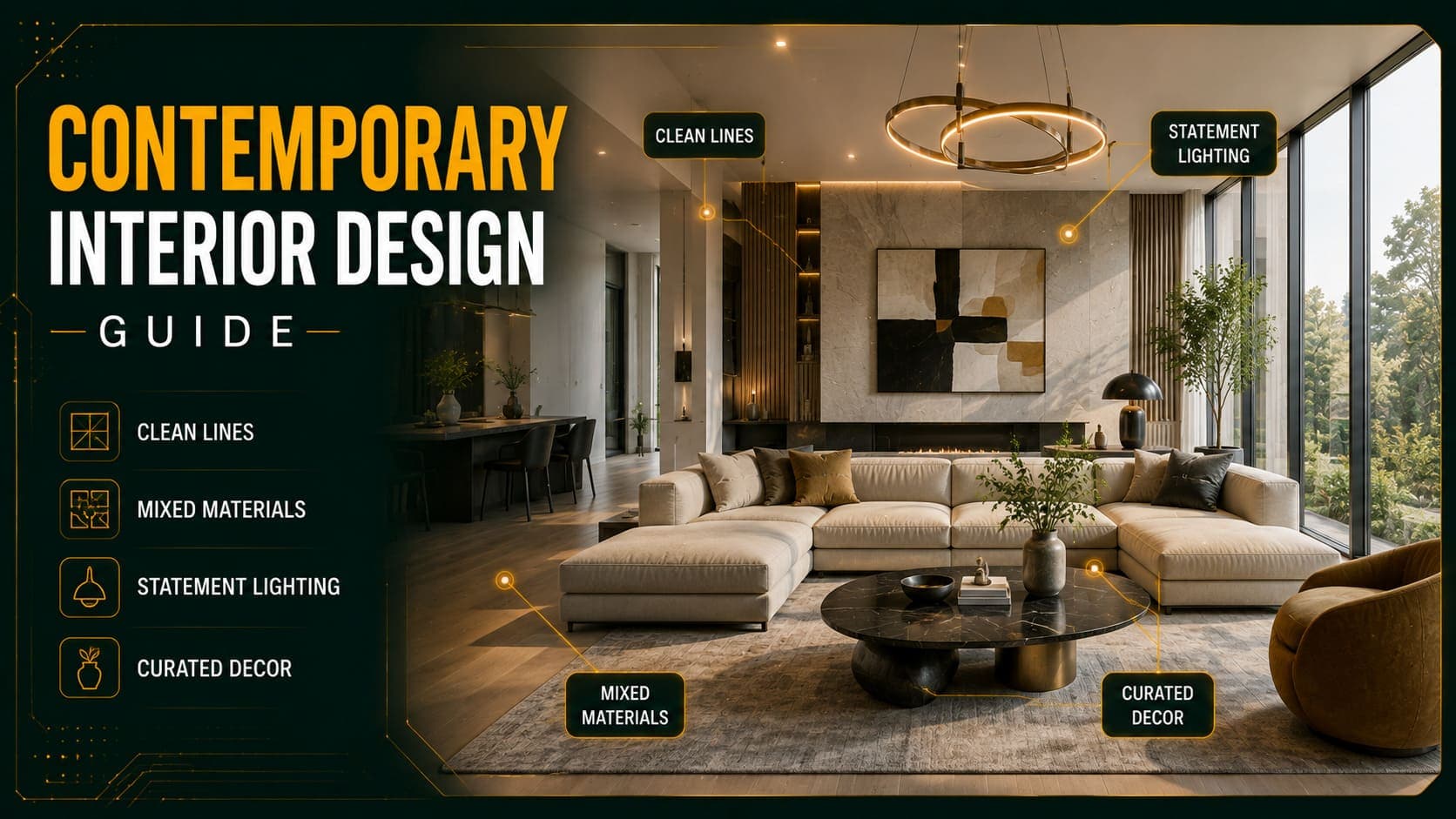
Softer lines than Modern — Curved sofa arms, rounded coffee tables, arched mirrors. The sharp geometry of Modern has given way to gentler forms.
Mixed materials — Wood with metal, stone with fabric, matte with gloss. Contrast within a piece rather than uniformity.
Warm neutrals — Beige, greige, warm white, and taupe rather than the cool greys that dominated the 2010s.
Layered texture — Bouclé, chunky knit, ribbed surfaces, natural stone. Texture carries visual interest where pattern doesn't.
Considered comfort — Furniture that looks sittable rather than sculptural. Deeper seats, softer upholstery.
Restrained but present colour — One or two muted accent tones rather than a strict neutral discipline.
Statement lighting — Sculptural pendants and floor lamps, though less dramatic than Luxury.
Try DecoAI Free
3 free credits. No credit card needed. Stage any room in 30 seconds.
Get 3 Free CreditsContemporary vs Modern
The most common confusion in interior design.
| Factor | Contemporary | Modern |
|---|---|---|
| Definition | Whatever is current | A fixed movement, 1920–1960 |
| Lines | Curved, softer | Straight, geometric |
| Palette | Warm neutrals, beige, greige | White, grey, black |
| Materials | Deliberately mixed | Wood, steel, glass |
| Comfort | Prioritized | Secondary to form |
| Feel | Comfortable, current | Precise, disciplined |
| Changes over time | Yes, continuously | No |
Practical difference: Modern is a style you could identify in a 1955 photograph. Contemporary is what a designer would produce today.
For staging: Modern reads cooler and more urban. Contemporary reads warmer and more residential. In family markets, that warmth matters.
The Contemporary Palette (2026)
Base Colours
- Warm white — the dominant wall colour, with a cream rather than blue undertone
- Greige — grey with warmth, the defining 2020s neutral
- Taupe and mushroom — for larger upholstered pieces
- Warm mid-tone wood — oak and ash, less pale than Scandinavian, less dark than Traditional
Accent Colours
- Terracotta and clay — currently prominent
- Sage and olive green
- Dusty blue
- Muted burgundy
- Soft ochre
One or two of these, used across cushions, artwork, and occasionally a single piece of furniture.
Materials
- Bouclé and textured upholstery fabrics
- Warm-toned wood
- Natural stone — travertine is particularly current
- Matte black metal
- Brushed brass in small applications
- Ribbed and fluted surfaces
What It Avoids
- Cool blue-grey — the dominant neutral of the 2010s, now dated
- Chrome and high polish
- Sharp geometric minimalism
- Ornate traditional detail
Contemporary by Room
Living Room
Furniture: Curved sofa in bouclé or textured fabric, one or two accent chairs, round or organic-shaped coffee table Palette: Warm white walls, greige and taupe upholstery, one accent tone Textiles: Textured rug in a solid neutral, cushions in mixed textures rather than mixed patterns Lighting: Sculptural floor lamp, table lamp with a fabric shade Art: One or two pieces, often abstract in muted tones
Bedroom
Furniture: Upholstered bed with a rounded or curved headboard, matching bedside tables in warm wood Palette: Warm white or greige walls, neutral bedding with one accent Textiles: Layered bedding, a textured throw, a rug extending beyond the bed Lighting: Bedside lamps with fabric shades, or wall sconces
Kitchen
Cabinets: Handleless or with slim pulls, in warm white, greige, or wood Worktops: Quartz with subtle veining, or warm stone Detail: Fluted or ribbed island fronts are currently characteristic Lighting: Two or three sculptural pendants over the island
Dining Room
Furniture: Round or oval table in wood or stone, upholstered chairs Palette: Warm neutrals with wood Lighting: A sculptural pendant, larger than you'd expect Detail: A sideboard in matching wood, one large piece of art
Home Office
Furniture: Wood desk with rounded edges, upholstered task chair Palette: Warm white, wood, one accent Detail: Open shelving with a few objects, a plant
Try DecoAI Free
3 free credits. No credit card needed. Stage any room in 30 seconds.
Get 3 Free CreditsWhy Contemporary Wins in Most Markets
It Has the Highest Floor
The most useful property of Contemporary staging: it very rarely produces a bad result. Sharper styles occasionally produce something excellent and occasionally something that alienates. Contemporary consistently produces something acceptable to nearly everyone.
For agents staging many properties, consistency is worth more than occasional brilliance.
It Reads as Warm
The warm neutral palette and comfortable furniture proportions signal "home" in a way that Modern and Minimalist don't. Family buyers respond to this.
It's Current Without Being Trendy
Contemporary follows trends but at a lag. It won't look dated in two years the way a strongly trend-driven staging would.
It Suits Most Architecture
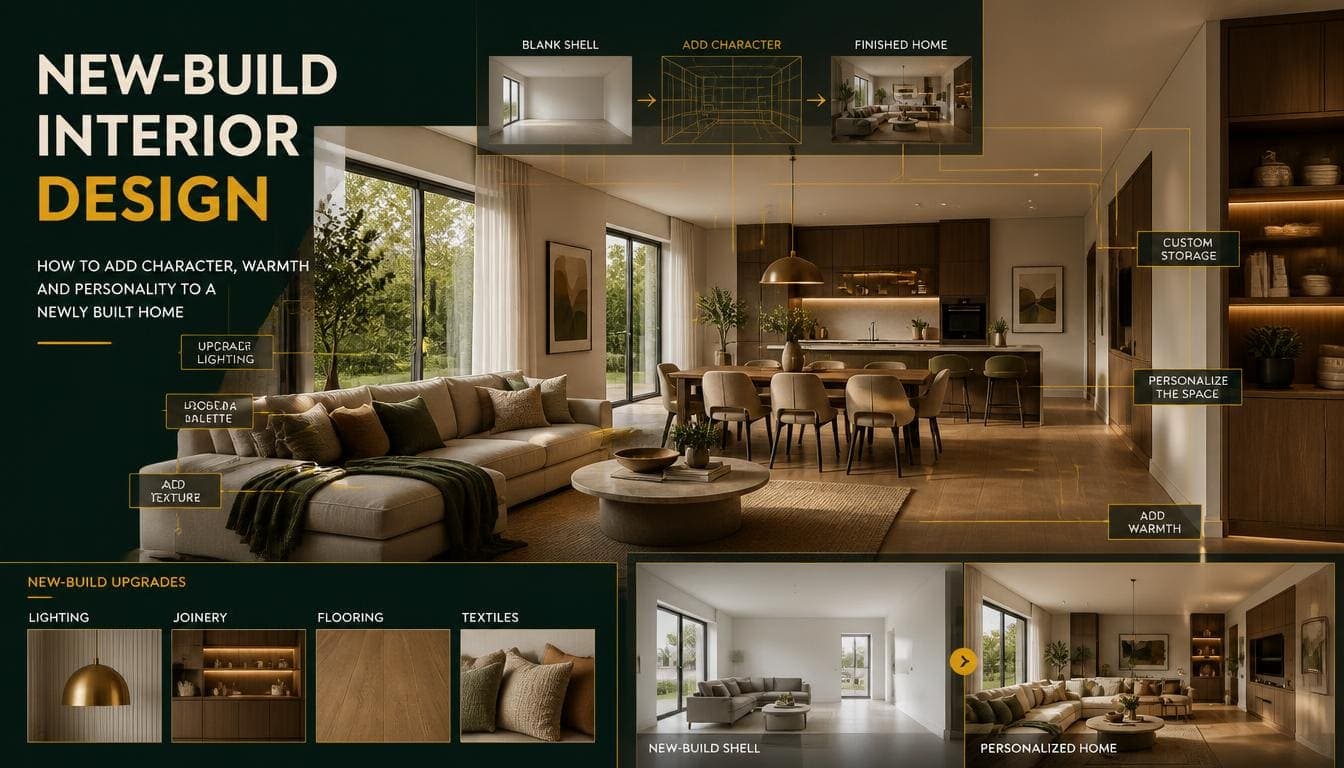
Unlike Industrial or Traditional, Contemporary doesn't require the building to support it. It works in new builds, older properties, apartments, and houses.
It Photographs Reliably
Warm neutrals handle varied lighting conditions well. Contemporary images look acceptable in bright light, overcast light, and mixed indoor lighting.
Where Contemporary Falls Short
It Rarely Stands Out
The trade-off for reliability. Contemporary staging produces images buyers don't dislike but also don't remember. On platforms where memorability drives engagement — Airbnb particularly — this is a genuine weakness.
It Doesn't Amplify Character
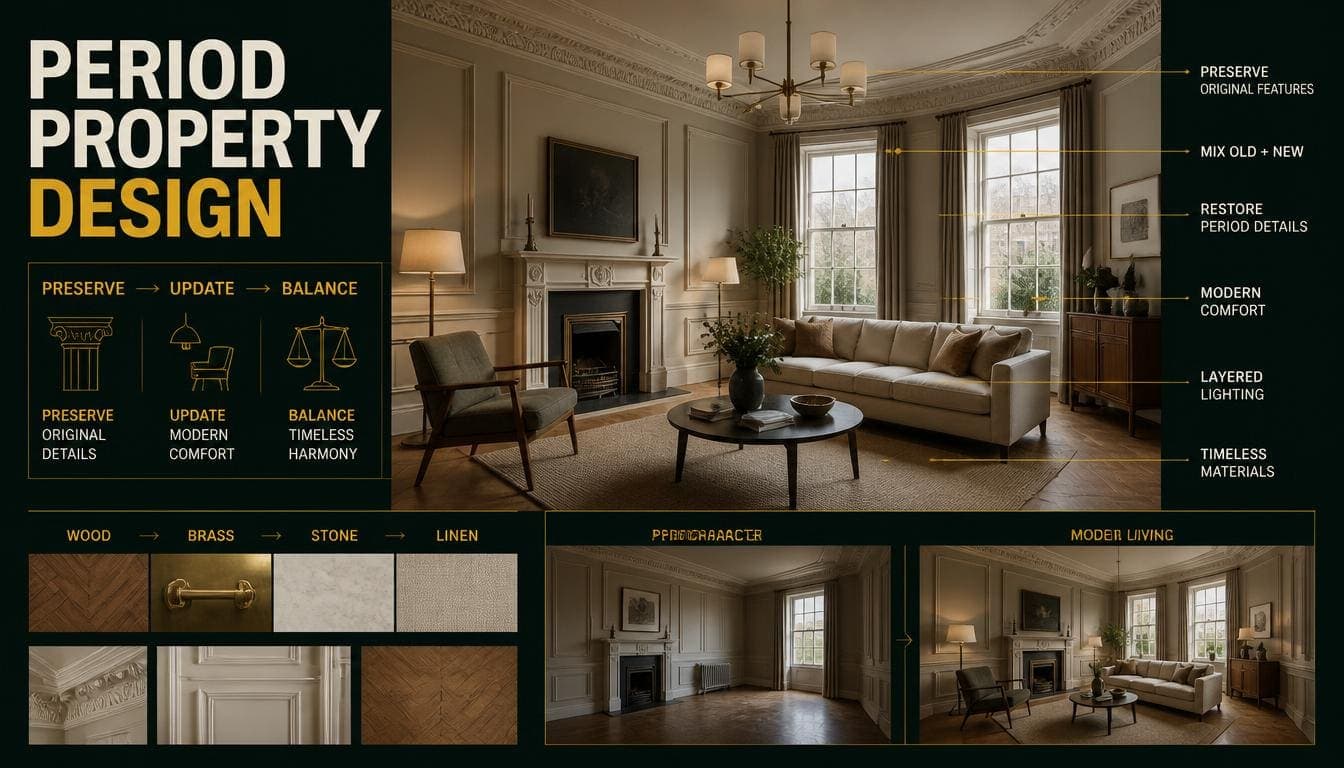
A converted warehouse or a period townhouse has architectural personality that Contemporary neither supports nor conflicts with. Industrial or Traditional would do more.
It Undersells Premium Properties
At high price points, Contemporary can read as ordinary. Luxury signals a tier that Contemporary doesn't.
It's Not the Best for Small Rooms
Contemporary furniture tends toward comfortable proportions — deep sofas, generous seating. In compact rooms, Scandinavian's slimmer profile shows more floor.
Common Contemporary Mistakes
1. Using Cool Grey
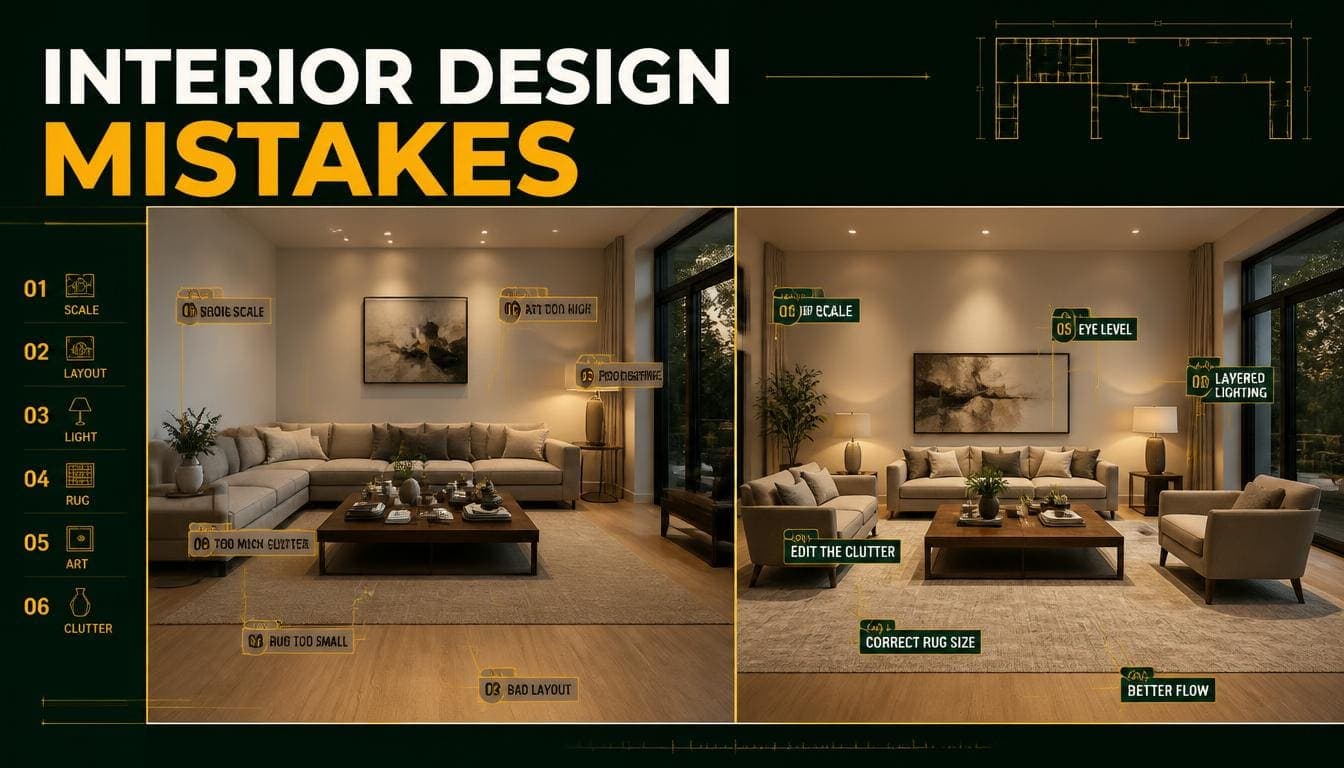
The dominant neutral of the 2010s now reads as dated. Current Contemporary uses warm greige, beige, and taupe.
2. Confusing It with Modern
Straight-edged furniture in stark white and black is Modern, not Contemporary. Contemporary is softer and warmer.
3. Too Many Accent Colours
One or two muted accents. Three or more moves toward Bohemian or Eclectic.
4. Ignoring Texture
Contemporary carries visual interest through texture rather than pattern. Without bouclé, ribbing, or natural stone, it flattens into generic neutral.
5. Following Trends Too Closely
Contemporary lags trends deliberately. Staging that adopts a very current trend risks dating quickly.
6. Using It Where Character Would Win
In markets that reward distinctiveness — vacation rentals, creative urban areas — Contemporary's safety becomes a liability.
Contemporary as the Default Choice
For most agents staging most properties, Contemporary or Modern is the correct default:
Choose Contemporary when: The market is suburban or family-oriented, warmth matters, the property is a house rather than an apartment, or you're staging in volume and need consistency.
Choose Modern when: The property is urban, the buyer skews professional, the architecture is clean-lined, or the rooms are compact.
Choose Scandinavian when: The rooms are small, the light is limited, or you need warmth and space-maximizing together.
These three cover the substantial majority of properties. The remaining styles — Luxury, Industrial, Bohemian, Traditional — are situational.
Frequently Asked Questions
What is contemporary interior design?
Design reflecting current trends rather than a fixed historical style. As of 2026: softer curved lines, warm neutral palettes, mixed materials, layered texture, and comfortable proportions.
What's the difference between contemporary and modern?
Modern is a fixed movement from 1920–1960 with straight lines and cool neutrals. Contemporary is whatever is current — currently softer, warmer, and more comfortable.
What colours are contemporary in 2026?
Warm white, greige, taupe, and mushroom as bases. Terracotta, sage, dusty blue, and muted burgundy as accents. Cool blue-grey now reads as dated.
Is contemporary good for staging?
It's the most reliable staging style. It rarely produces a striking image but almost never produces a bad one, which makes it ideal for volume staging.
Does contemporary work in family homes?
Yes — better than Modern or Minimalist. The warm palette and comfortable proportions signal "home" in a way cooler styles don't.
Will contemporary staging look dated?
Less quickly than trend-driven staging, since Contemporary follows trends at a lag. But by definition it will eventually date, unlike fixed styles like Modern.
What's the difference between contemporary and transitional?
Transitional deliberately blends traditional and contemporary elements. Contemporary is current design without the traditional reference.
Should I use contemporary for a luxury property?
It can undersell at high price points. Luxury signals a tier that Contemporary doesn't. For premium properties, Luxury or Modern usually presents better.
What's the safest staging style overall?
Contemporary for suburban and family markets, Modern for urban properties. Both are low-risk defaults that consistently produce acceptable results.
Summary
Contemporary is the reliable choice. It reads as warm, current, and comfortable, and it works across most architecture and most markets.
Use it for: Suburban and family properties, houses rather than apartments, volume staging where consistency matters, and any property where you want a low-risk default.
Skip it for: Very small rooms where Scandinavian shows more floor, premium properties where Luxury signals the tier better, character buildings where Industrial or Traditional amplify the architecture, and markets where distinctiveness drives engagement.
The core trade: Contemporary never wows and never fails. For most staging, that's the right bet.
Compare it against the alternatives. DecoAI gives 3 free credits with no card required — enough to test Contemporary against Modern and Scandinavian in the same room.