Virtual Staging for Real Estate Photographers: A New Revenue Line
Real estate photography is a competitive, price-pressured business. Shoot rates have flattened in most markets while equipment, travel, and editing time haven't got cheaper.
Virtual staging is one of the few add-ons where the delivery cost is close to zero and the market rate is meaningful. Agents pay $25–$50 per staged image. AI tools cost $0.10. The margin is what makes it worth understanding.
This covers how to price it, how to sell it, and how to deliver it without adding significant time to your workflow.
The Basic Economics
| Item | Amount |
|---|---|
| Typical market rate per staged image | $25–$50 |
| AI tool cost per image | $0.10 |
| Time per image (including review) | 2–4 minutes |
| Gross margin | 99%+ |
For a five-image staging add-on:
- Revenue: $125–$250
- Cost: $0.50–$2.50 including regenerations
- Time: 15–20 minutes
There aren't many services in photography with this profile.
Try DecoAI Free
3 free credits. No credit card needed. Stage any room in 30 seconds.
Get 3 Free CreditsWhy Agents Will Pay
Understanding the buyer's side makes the sale easier.
They Can't Justify Physical Staging
Physical staging averages $2,300–$3,200 per property. On a modest listing, that exceeds the entire marketing budget. Agents want the visual benefit but the numbers don't work.
They Don't Want Another Tool
An agent handling twenty listings a year doesn't want to learn a staging platform, manage credits, and build a workflow. They want staged images delivered with their photos.
It's Included in the Deliverable
You're already photographing the property. Adding staged versions to the same delivery removes an entire step from their process.
It Differentiates Their Listing Presentation
An agent who can offer staging as standard has something to say in a competitive listing pitch. You're giving them that.
Pricing Models
Per-Image Pricing
Rate: $25–$50 per staged image Best for: Agents who want to stage selectively
Simple, transparent, and scales with what they actually need.
Package Pricing
Rate: $99–$199 for a five-image staging package Best for: Standard listings where the room set is predictable
Packages convert better than per-image pricing because they remove the mental arithmetic. An agent choosing between "$35 per image" and "$149 for the main rooms" usually picks the package.
Bundled Into Your Shoot Rate
Approach: Add $75–$150 to your standard shoot fee, staging included Best for: Positioning against competing photographers
This makes staging invisible in the pricing conversation and makes your quote look more complete than a photographer quoting shoot-only.
Tiered Packages
| Tier | Includes | Price |
|---|---|---|
| Photos only | Standard shoot and edit | Your base rate |
| Photos + staging | Shoot plus 5 staged images | Base + $99–$149 |
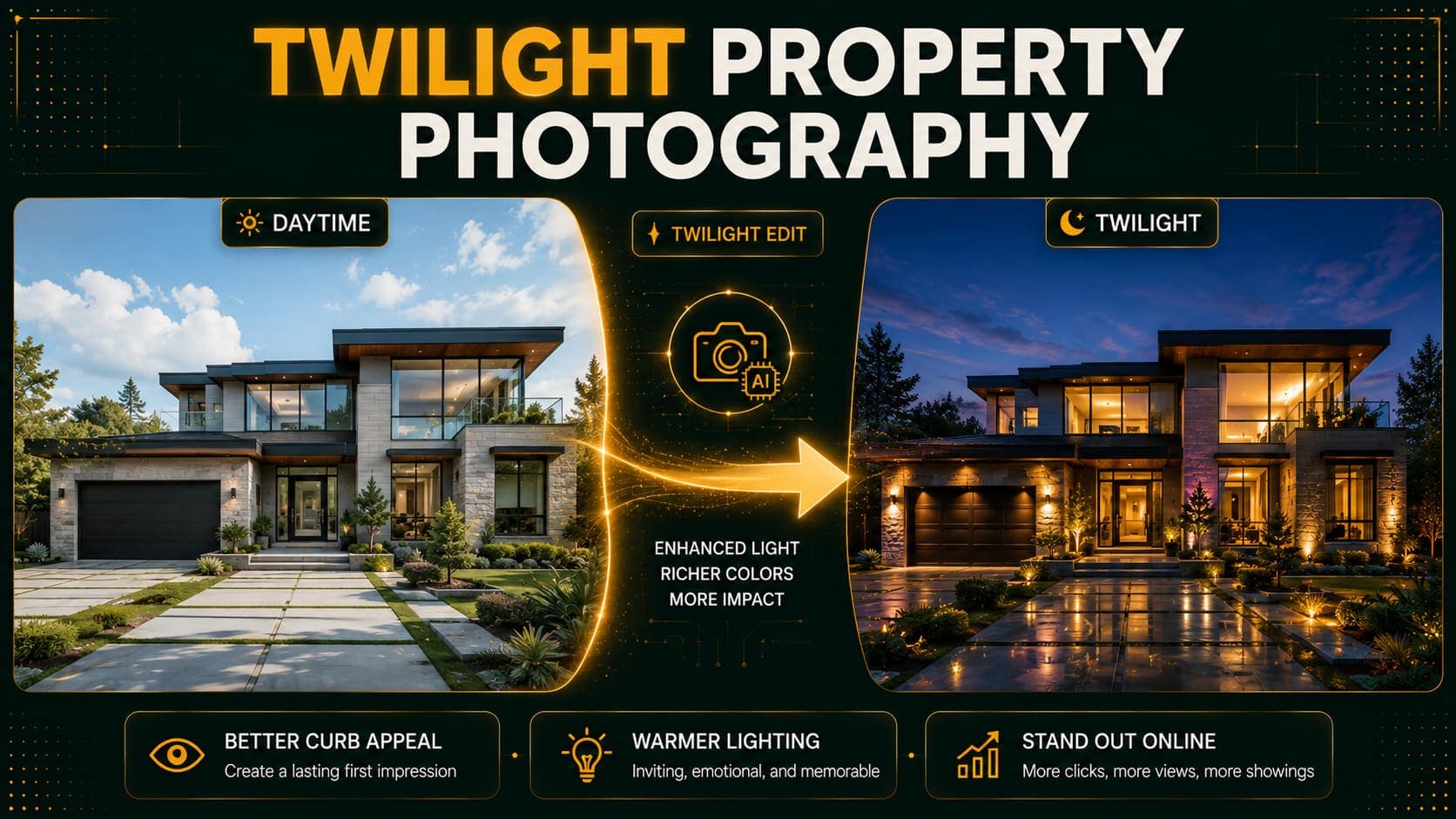
| Full marketing | Shoot, staging, floor plan, twilight exterior | Base + $250–$400 |
Tiering pushes buyers toward the middle option, which is usually where you want them.
What to Charge in Different Markets
Rates vary substantially by market. Some general guidance:
Major metros with high listing values: $40–$50 per image, or $199 packages Mid-size markets: $30–$40 per image, or $149 packages Smaller markets and rural: $25–$35 per image, or $99 packages
Rule of thumb: staging pricing tends to track roughly 30–50% of your per-image shoot rate.
Check what local competitors charge before setting rates. Undercutting heavily attracts price-sensitive clients who churn; pricing at market attracts agents who value the service.
Try DecoAI Free
3 free credits. No credit card needed. Stage any room in 30 seconds.
Get 3 Free CreditsDelivery Workflow
The key to profitability is keeping this fast.
At the Shoot
Photograph rooms empty and staged-ready.
For a vacant property this is automatic. For an occupied one, you'll need agreement in advance about which rooms get cleared.
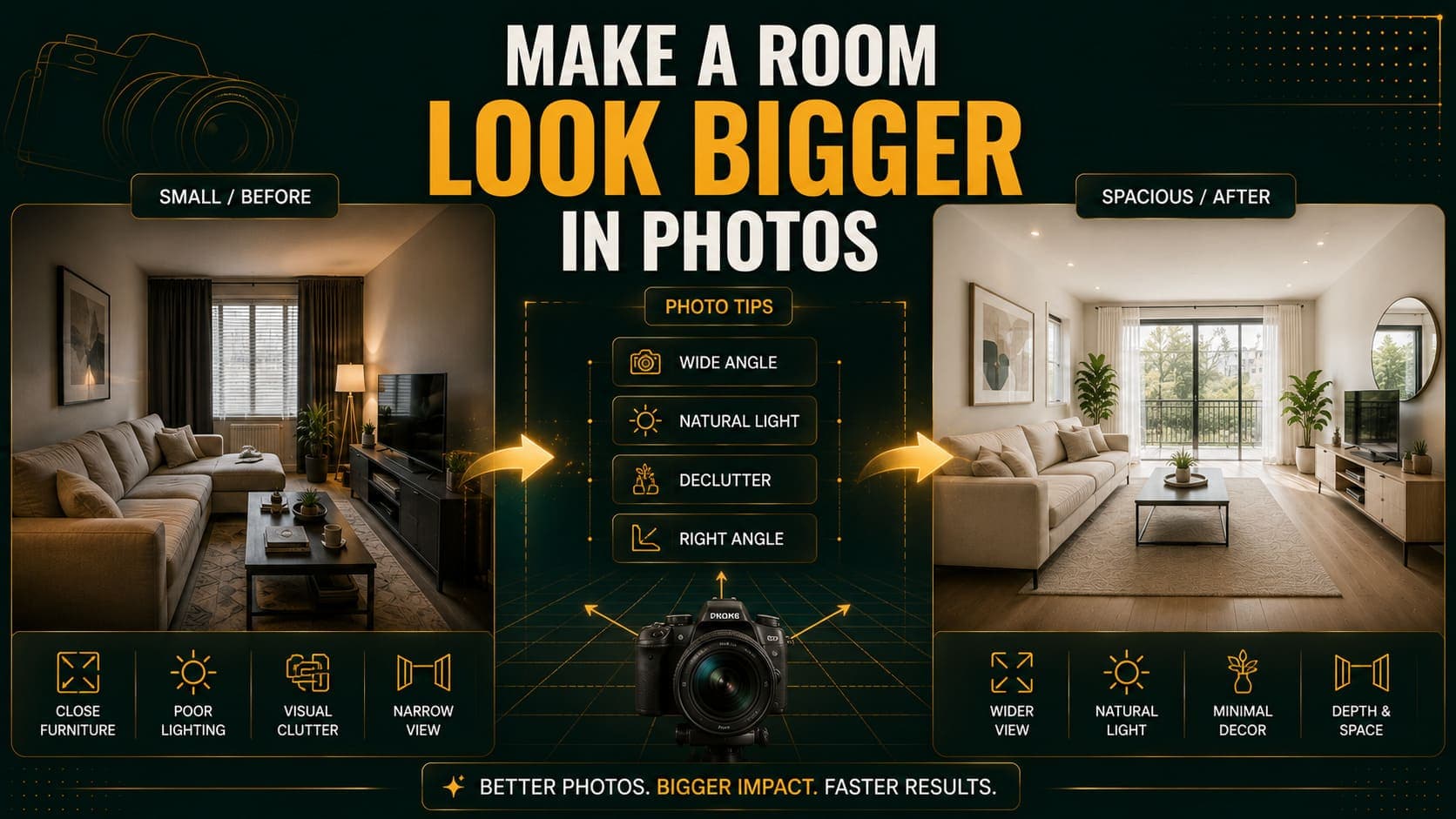
Shoot the standard angles you'd shoot anyway — corner position, chest height, level camera. Staging doesn't require different photography, just good photography.
Take one extra angle per stageable room. Some angles stage better than others, and having an alternative saves a return visit.
After the Shoot
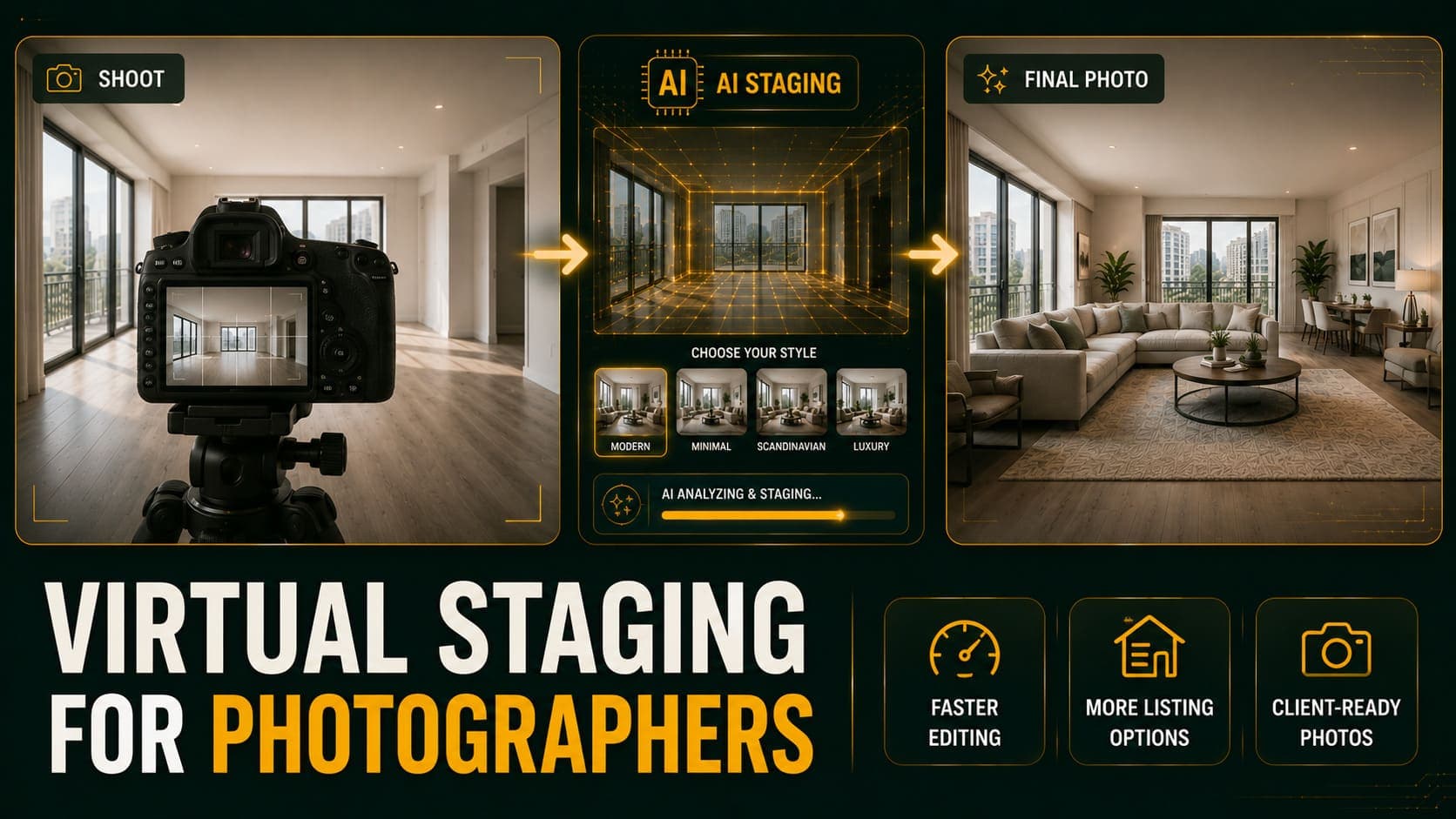
1. Select the rooms to stage — usually living room, primary bedroom, and one or two others.
2. Generate three variations per room. At $0.10 each, this costs $0.30 per room and meaningfully improves what you deliver.
3. Review at full size. Check floor contact, scale, shadow direction, and whether anything intersects walls.
4. Deliver staged and unstaged versions together. Agents want both — the staged for the listing lead, the unstaged for transparency.
Time per property: 15–20 minutes for a five-room staging set.
File Naming
Use a convention that makes the pairing obvious:
101-livingroom.jpg
101-livingroom-staged.jpg
102-bedroom.jpg
102-bedroom-staged.jpg
Agents uploading to portals under time pressure will appreciate this more than you'd expect.
Selling It to Agents
Lead with a Sample, Not a Description
The most effective pitch is showing an agent a before-and-after of a property you've already shot for them.
Stage one room from a past shoot — costs $0.10 — and send it with a short note: "Tried something on the Maple Street listing. Thought you might find this useful for vacant properties."
This converts far better than a rate card.
Frame It as Their Competitive Advantage
Agents care about winning listings. Staging is something they can offer sellers that competing agents often can't.
The line that works: "You can tell sellers staging is included. It costs them nothing extra and it's something most agents can't offer."
Price It Against Physical Staging
Not against zero. An agent comparing $149 to nothing sees an expense. An agent comparing $149 to $2,800 sees a saving.
Offer It on the First Vacant Listing Free
One free staging set on a vacant property costs you $0.50 and demonstrates the value more effectively than any conversation.
What to Watch Out For
Don't Undercharge
The temptation is to price at $10 per image because your cost is $0.10. This trains clients to see it as trivial and makes it hard to raise later.
Price at market. The margin is the point.
Don't Overpromise on Difficult Rooms
Bathrooms, unusually shaped rooms, and heavily reflective spaces stage poorly. Set expectations before quoting a full-property package.
Don't Stage Occupied Rooms
Results are unreliable. If a property is furnished, either arrange for rooms to be cleared or exclude them from the staging package.
Don't Skip the Review
Delivering an image with floating furniture damages your reputation more than the extra two minutes of review costs you.
Set Revision Expectations
Two rounds of regeneration included, additional rounds at a small fee. In practice you'll rarely charge for extras, but the boundary prevents open-ended requests.
Scaling It
Batch Process
Stage all properties from a week's shoots in one session rather than one at a time. Context switching costs more than the generation.
Build Style Presets by Client
Some agents consistently prefer Modern; others prefer Contemporary. Note client preferences and apply them automatically.
Standardize Your Room Set
Living room, primary bedroom, second bedroom, dining area. A fixed package is faster to deliver and easier to price than bespoke selections.
Consider the Pricing Model
| Monthly staging volume | Best tool model |
|---|---|
| Under 100 images | Pay per image |
| 100–290 images | Compare both |
| Over 290 images | Subscription |
Most photographers stay well under 100 images monthly, where pay-per-image is substantially cheaper.
Frequently Asked Questions
How much should photographers charge for virtual staging?
$25–$50 per image depending on market, or $99–$199 for a five-image package. Roughly 30–50% of your per-image shoot rate is a reasonable benchmark.
What does virtual staging cost photographers to deliver?
$0.10 per image with pay-per-image AI tools, plus 2–4 minutes of time per image including review.
Should I bundle staging or price it separately?
Both work. Bundling makes your quote look more complete against competing photographers; separate pricing captures more revenue from agents who want it.
How long does it take to stage a property?
15–20 minutes for a five-image set, including generating variations and reviewing output.
Do I need different photography for staged images?
No — the same corner position, chest height, level camera approach you should already be using. Just ensure rooms are fully cleared.
What if the agent doesn't like the result?
Regenerate. Results vary between attempts, and a different variation usually solves it. Build two rounds of regeneration into your pricing.
Should I offer staging on occupied properties?
Generally no. AI staging works reliably on empty rooms only. If a property is furnished, either arrange for clearing or exclude those rooms.
How do I get agents to try it?
Stage one room from a past shoot and send it unsolicited with a short note. It costs $0.10 and converts better than any rate card.
Can I white-label virtual staging?
You're delivering images, not software access. There's nothing to white-label — the agent receives finished photographs from you.
Summary
Virtual staging is one of the highest-margin add-ons available to real estate photographers. Market rate $25–$50 per image, delivery cost $0.10, and 15–20 minutes per property.
The practical approach:
- Price at market, not at cost
- Package it rather than pricing per image
- Demonstrate with a free sample rather than describing it
- Frame it against physical staging costs, not against zero
- Standardize your room set and batch process
- Always review at full size before delivering
Test the margin yourself. DecoAI gives 3 free credits with no card required — enough to stage one room from a past shoot and send it to a client as a sample.